
Wood Tone Drama: Balancing Dark Grain Against Light Tile with a Double Sink Vanity
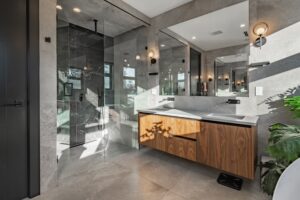
Dark wood grain against pale tile creates instant contrast in a bathroom. It can also make the vanity feel like the room’s main feature. That raises a common concern. Will a dark double sink vanity make the bathroom feel smaller or too heavy? Usually, it won’t when the surrounding surfaces provide enough visual breathing room. Light tile can reflect more light while allowing rich wood tones to stand out.
The key is balance. Vanity finish, tile undertones, countertop color, hardware, and lighting should work together. A dark wood bathroom vanity needs room to make its statement.
Table of Contents
- Why Dark Wood and Light Tile Make Such a Strong Pair
- Choose the Right Double Sink Vanity Before You Choose the Accessories
- Use Light Tile to Keep the Vanity From Taking Over
- Finish the Look Without Diluting the Wood’s Impact
- Common Mistakes That Make Dark Wood Feel Too Heavy
- How to Make the Final Purchase With Confidence
- Let the Dark Wood Be the Statement, Not the Whole Story
- FAQs
Why Dark Wood and Light Tile Make Such a Strong Pair
Contrast gives a bathroom more visual depth. When every surface has a similar tone, the room can feel flat and indistinct. Light tile helps break up the visual weight of darker cabinetry. It also reflects available light around the small double-sink vanity, making the space feel more open.
Wood introduces another important element: texture. Visible grain adds warmth to bathrooms filled with hard surfaces such as tile, glass, and stone.
The finish matters too. Some wood-inspired surfaces have subtle grain patterns. Others feature dramatic knots and movement. Either can work, but the surrounding design should support the level of detail.
Let the Tile Set the Visual Temperature
Not all light tile creates the same effect. Warm white and cream can complement walnut, oak, and other warm wood tones. Cool white and light gray can create a cleaner, more contemporary contrast. The right choice depends on the undertones within the double sink vanity finish.
Always compare samples together. Check them under the bathroom’s actual daylight and artificial lighting before making a final decision.

Choose the Right Double Sink Vanity Before You Choose the Accessories
Accessories can refine a bathroom, but the vanity establishes its foundation. Its size, proportions, storage, sink placement, and countertop affect both appearance and daily use.
Start by measuring the available wall space. Then consider how much clearance you need around doors, drawers, fixtures, and walkways.
A well-proportioned double sink vanity with top can become a strong focal point without overwhelming the room. The right configuration should also make both sinks comfortable to use.
Match the Wood Tone to the Bathroom’s Scale
A darker finish naturally creates a substantial visual anchor. In a larger bathroom, that weight can make the space feel grounded and intentional.
A double sink vanity floating from the wall can expose more floor area beneath it. That open space can help a darker finish feel lighter. Freestanding designs create a different effect. They can bring furniture-like character and traditional weight to the bathroom.
Think About Grain, Not Just Color
Color isn’t the only feature that determines how dramatic the double sink vanity feels. Grain movement can have just as much impact. Strong wood grain works well with calmer tile. Subtle grain gives you more freedom to introduce texture elsewhere.
Avoid combining several highly patterned surfaces. Dramatic wood, busy tile, and an elaborate backsplash can compete rather than complement each other.
Use Light Tile to Keep the Vanity From Taking Over
Tile layout, finish, and grout color can change how the entire vanity wall feels. Large-format light tile can create visual continuity with fewer grout lines. That cleaner surface gives the eye fewer interruptions around a dramatic vanity.
Glossy tile reflects more light and can brighten the space. Matte tile creates a softer appearance with less reflection and more understated texture.
You don’t have to use identical products on every surface. A coordinated floor and wall treatment can create a cohesive background without becoming repetitive.
Give the Eye a Place to Rest
When the vanity has pronounced grain, quieter surrounding surfaces help it stand out. A restrained backsplash can prevent another focal point from competing with the cabinetry. Open wall space can also make the darker finish feel deliberate.
This principle becomes especially useful in smaller bathrooms. The goal isn’t to eliminate contrast. It’s to give that contrast enough breathing room.
Finish the Look Without Diluting the Wood’s Impact
The countertop, hardware, mirrors, and lighting can either strengthen or weaken the relationship between dark wood and light tile.
A light countertop can create a visual bridge between the cabinetry and surrounding tile. It also provides a clean surface above a darker cabinet. Hardware should support the contrast rather than compete with it. The same applies to faucets, mirrors, and lighting fixtures.
Choose Hardware That Supports the Contrast
Matte black hardware can create a modern, graphic effect. It works particularly well when black appears elsewhere in the bathroom.
Brushed brass or another warm metal can bring out the warmth within the wood. This combination can feel richer without becoming overly formal. Brushed nickel offers a quieter transition. It can work especially well with cool white or gray tile.
Use the Mirror and Lighting Strategically
A large mirror can reflect light across the vanity wall. That reflection can prevent two dark sink areas from feeling visually dense. Layered lighting is equally important. Ambient, task, and accent lighting can reveal wood grain while reducing shadows around both sinks.
Check the double sink vanity finish under different lighting conditions. A color that looks perfect online may appear noticeably different in a warm bathroom.

bathroom vanity
Common Mistakes That Make Dark Wood Feel Too Heavy
Dark wood becomes harder to balance when the rest of the bathroom repeats its visual weight. Common mistakes include:
- Pairing dark wood with dark tile.
- Choosing a busy backsplash beside dramatic grain.
- Ignoring tile undertones.
- Oversizing the vanity for the available wall.
- Using too many competing metal finishes.
- Choosing lighting that creates harsh shadows.
Light surfaces help, but proportions still matter. Even pale tile cannot completely compensate for a vanity that overwhelms the available space.
How to Make the Final Purchase With Confidence
Before ordering, confirm the wall dimensions and plumbing placement. Check door and drawer clearance around the vanity.
Confirm the sink configuration and storage requirements. Then compare physical finish samples whenever possible. Check whether the double sink vanity includes the countertop, sinks, hardware, and other required components.
Construction quality matters too. Look at moisture resistance, drawer hardware, hinges, finish durability, and warranty coverage. Choose the vanity first. Then build the lighter surroundings around it.
Let the Dark Wood Be the Statement, Not the Whole Story
Dark wood can bring depth, warmth, and personality to a bathroom. Light tile keeps that richness from becoming visually overwhelming.
The strongest result comes from more than color. Grain movement, double sink vanity proportions, lighting, tile undertones, and surrounding finishes all shape the final look.
If you’re comparing a double sink vanity for your bathroom, focus on both design and construction. For homeowners exploring quality vanity options, Bathroom Vanity Norcross can help you find a style that fits your space and overall design plan.
FAQs
Does a dark wood vanity make a small bathroom look smaller?
Not necessarily. Light tile, open floor space, mirrors, and appropriate vanity proportions can keep the room feeling balanced.
Should the countertop be light or dark with a dark wood vanity?
A lighter countertop creates stronger contrast and can visually connect the double sink vanity with pale tile. Darker surfaces can work with careful planning.
What hardware finish works best with dark wood?
Black creates a stronger modern contrast. Brass emphasizes warmth, while brushed nickel creates a quieter transition with many light tile palettes.